



Our
Story.
3:1 wasn’t born in a boardroom. It was born out of the cries of under-resourced neighborhoods and the leaders who have dedicated their lives to serving them.
In 2002, Aaron and Dana Dailey planted a church in inner-city Phoenix and quickly discovered that planting in an under-resourced community required a different kind of approach. The needs were significant, financial resources were limited, leaders worked multiple jobs, and traditional church-planting models did not fit the realities of the neighborhood.
Over the years, Aaron began working within church-planting networks and multisite churches and started to realize that, without intentionality, large organizations could develop strong church-planting strategies while still missing the neighborhoods that might need healthy churches the most.
In one meeting with a large church-planting organization, the response was stated plainly:
“Those are not our people.”

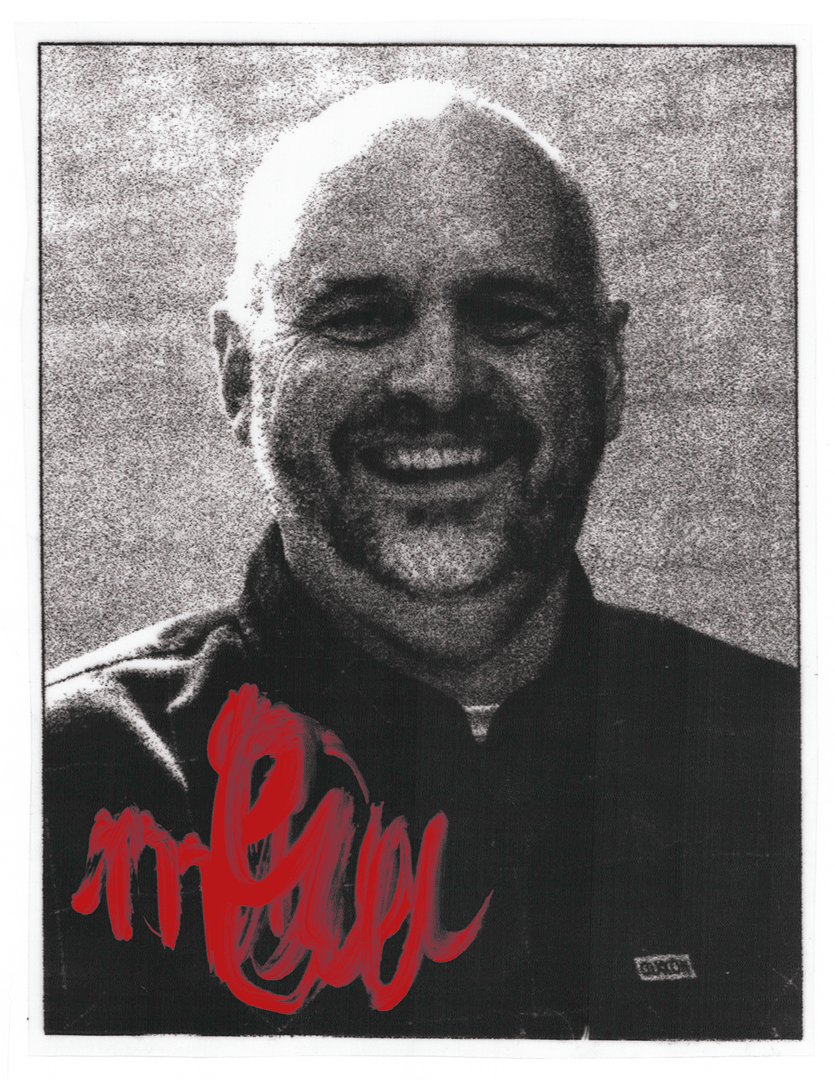
Aaron Dailey • Founder & Director
That moment exposed a heartbreaking reality: if we do not build intentionality into our church-planting strategies, we can learn to target almost every demographic while continuing to overlook the poor.
That is a tragedy!
Aaron began developing an intentional approach within his own family of churches: for every three churches planted in resource-rich communities, those churches would help support, surround, and resource a planter in an under-resourced community.
Out of that conviction, the 3:1 Partnership was born.
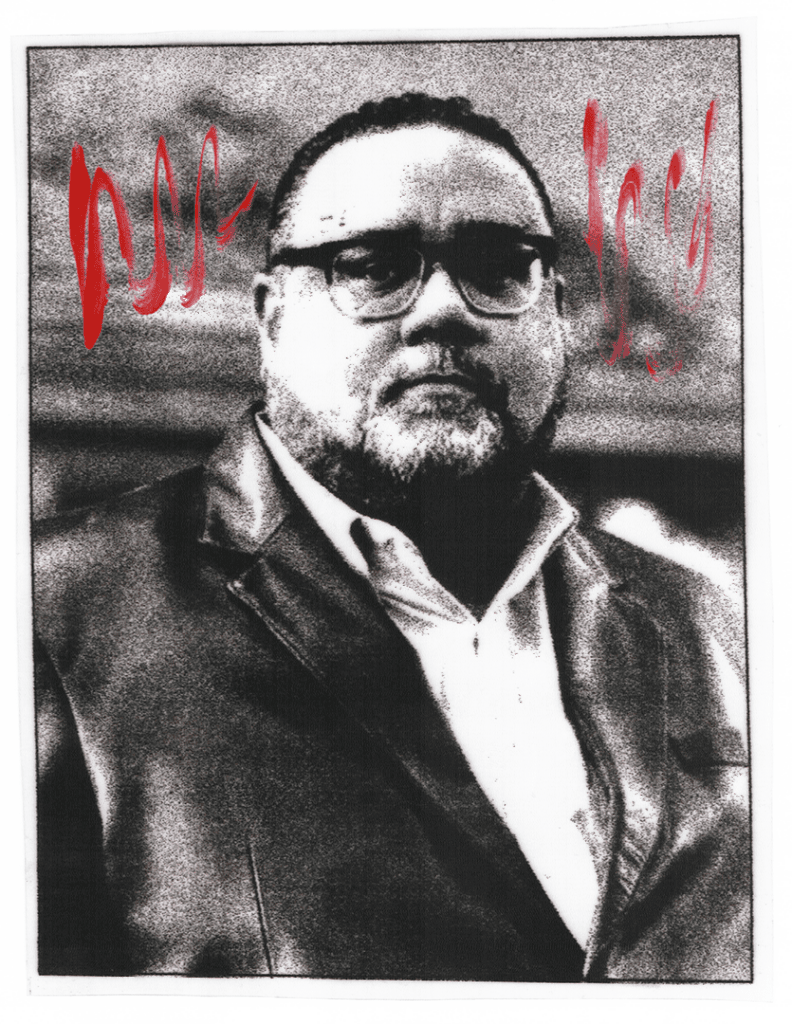
Michael Carrion • Facilitator & Director

Emma Tautolo • Facilitator
Along the way, Aaron met and connected with Dr. Michael Carrion, who planted and leads a church in the Bronx, New York City. Michael had spent decades experiencing many of the same realities while planting churches, developing leaders, and working with church-planting movements and denominations. He had also seen the tension of resources, relationships, and support often failing to reach under-resourced communities.
Together, Aaron and Michael brought their experiences, relationships, and connections around a shared conviction:
The most underserved communities should not be overlooked in our church-planting strategies.
Today, 3:1 works alongside existing networks, denominations, churches, and city movements to help them become more intentional about planting in under-resourced communities. We also provide contextualized coaching and training for planters who need different metrics, frameworks, economic models, and strategies for long-term sustainability.
As 3:1 has grown, we have added trainers, advisors, and coaches, developed a contextualized playbook, and continued expanding this intentional approach for organizations that want to make sure every neighborhood has access to a healthy church that is connected, supported, and resourced.
Our
Videos.